
In Conversation with Perdy Fox: Three Practical Tips for Designing a Kitchen
We sat down recently with Perdy Fox, one of our interior designers at Queensdale, to talk through the kitchen questions she has been working on most often with members this year. Rather than general design advice, Perdy's thinking tends to be practical, shaped by the real decisions she has helped recent clients make at the start of a renovation.
Here are three of the tips she shared with us.
1. Start with how you cook and live
The first question Perdy asks is almost never about finishes. It is about how someone actually uses their kitchen.
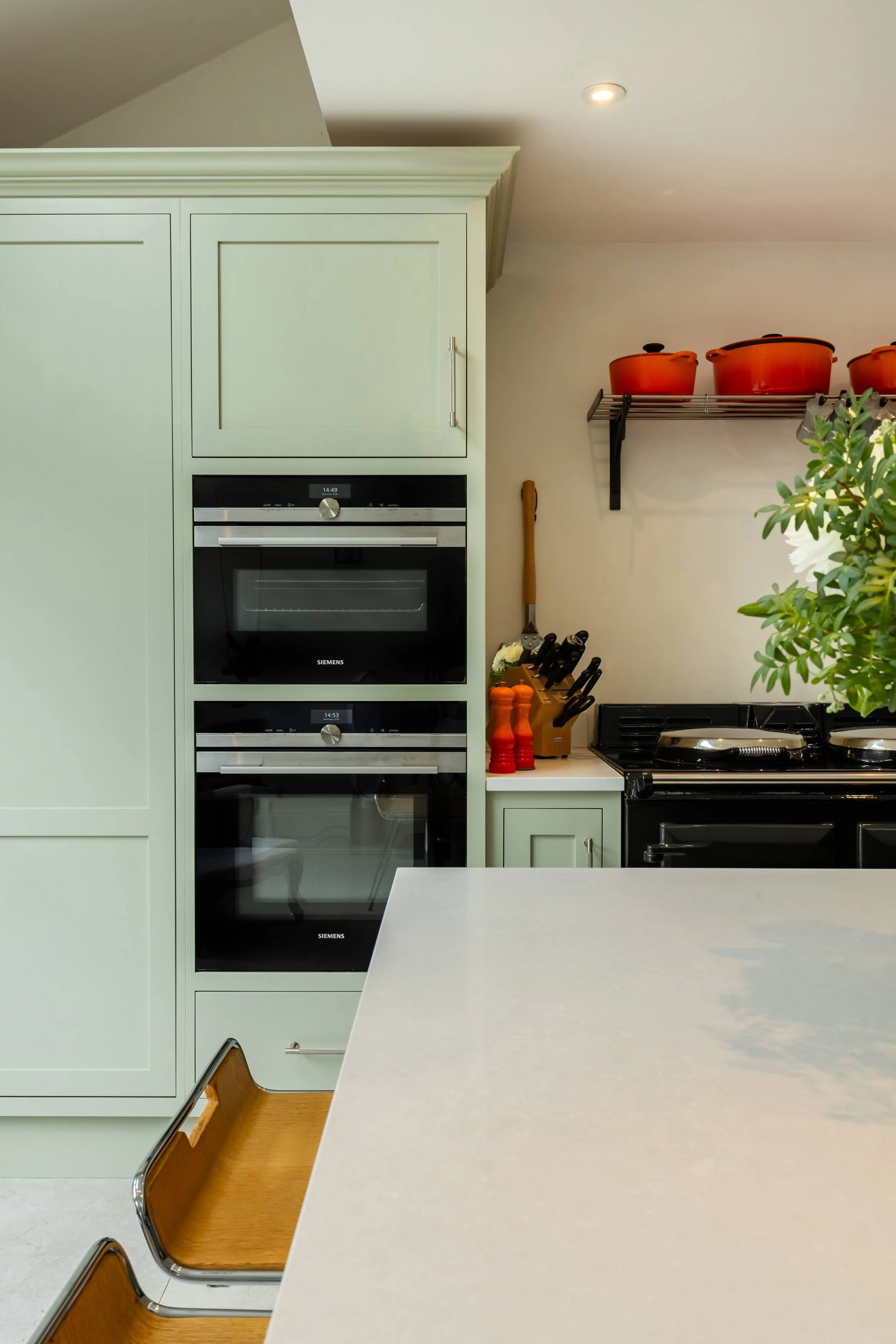
"The choice between gas and induction, for example, is something to consider early on, ideally during the M&E design stage of a full renovation, so the correct services can be put in place from the start," she explains.
"A traditional range cooker can become a real focal point and influence the character of the entire kitchen. An induction hob can be seamlessly integrated into the worktop for a cleaner, more contemporary look."
Neither is right or wrong, in her view. They simply lead the design in very different directions.
The same thinking applies to how the space will be used day to day. Do you love entertaining? Are you cooking for a family? Will your children be doing homework at the counter while you prepare dinner?
Understanding how a member lives from the outset, Perdy says, will shape the kitchen in ways no mood board can.
2. Challenge the traditional kitchen island
Islands are one of the design features Perdy has been thinking about most recently.
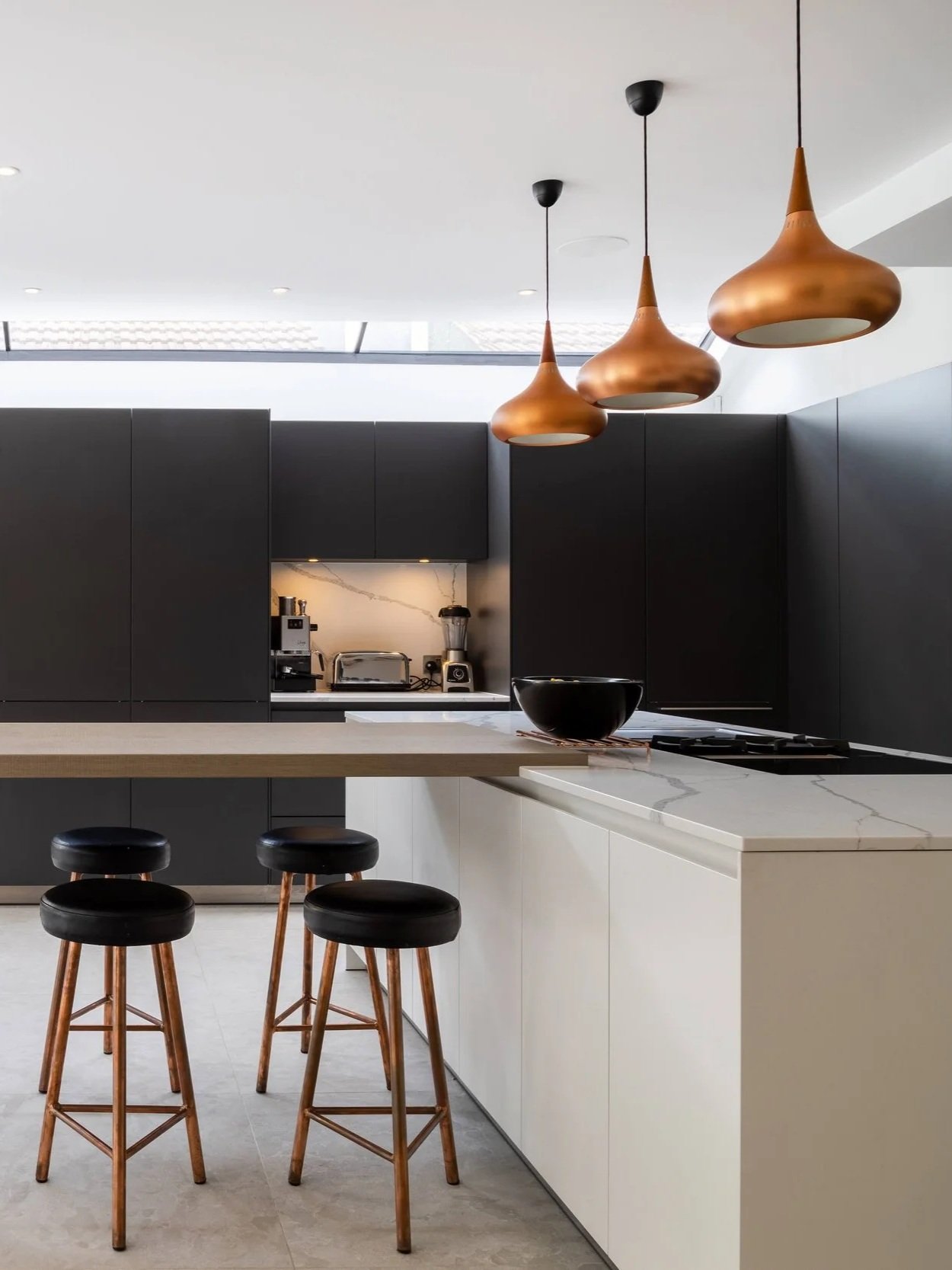
"An island is a wonderful way to introduce additional worktop space," she says, "but these large, solid forms can easily dominate a kitchen and break up the flow of the room."
Her advice is to ask what you want the island to feel like before you decide what it should look like.
Should it feel architectural and built-in, or more like a freestanding piece of furniture? The shape, the choice of materials, even the decision to introduce legs, all change how the island reads in the room.
Combining materials is a particular favourite approach of hers. It breaks down the overall scale and helps the island complement the rest of the kitchen rather than take it over.

3. The small things that make everyday life easier
The final tip is the one Perdy returns to most often, and it is about detail. "So much of what makes a kitchen feel considered is in the detail," she says.
"Think about all the things that naturally spill into the room over the course of a week, and ask whether they could be designed into the joinery rather than left to find a home later."
The questions she poses to members at this stage are quietly transformative. Do you have a dog? Could a dog bed or feeding station be built into the cabinetry? Would you use a dedicated tea and coffee station, with doors that fold back into the joinery so they do not interrupt the flow of the kitchen when open? What about a discreet worktop-integrated waste bin, making it easy to dispose of food scraps while preparing meals?
"It is these smaller details, considered early on, that make a kitchen feel effortlessly tidy and well put together," Perdy says, "even before everyday life starts to take over."
Where to begin
A kitchen is one of the most significant investments you will make in a home. As Perdy's thinking makes clear, getting it right is as much about asking the right questions at the start as it is about the finishes you choose at the end.
If you are planning a kitchen renovation and would value this kind of practical, considered approach from one of our designers, you can find out more about how Queensdale membership works on our Membership page.